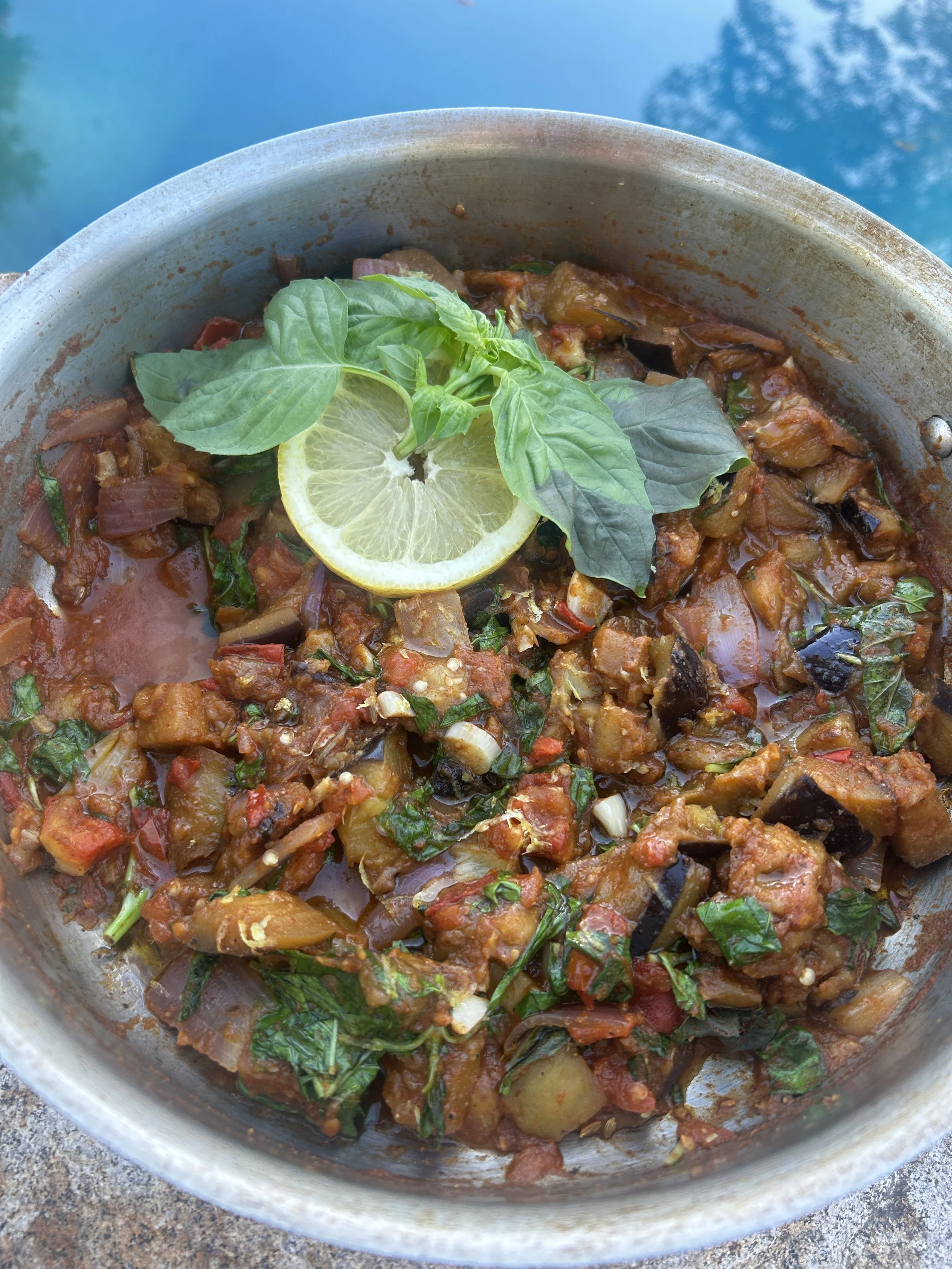
SUMMER: Moroccan-Spiced Eggplant & Tomato Ragù

Developed for MBF CSA Members by chef and Clinical Ayurvedic Specialist Alexeis Filipello

— part of the culinary offerings of the California College of Ayurveda

Originally posted on 7/14/2026

NIGHTSHADES!!!

Summer is peak season for nightshades! Eggplant has bitter and pungent properties that stimulate digestion, support heart health, and balance Kapha and Vata. In Ayurveda, we don’t label foods as simply "good" or "bad." However, because nightshades naturally carry a lot of heat, they can easily aggravate the Pitta dosha, especially during the hot summer months.

If you deal with arthritis, inflammation, or feel like you have excess heat in your body or mind, it’s best to enjoy them occasionally*. To help balance things out, we’ve added some cooling herbs to this recipe to temper the heating elements of the peppers and tomatoes.

This recipe goes well:

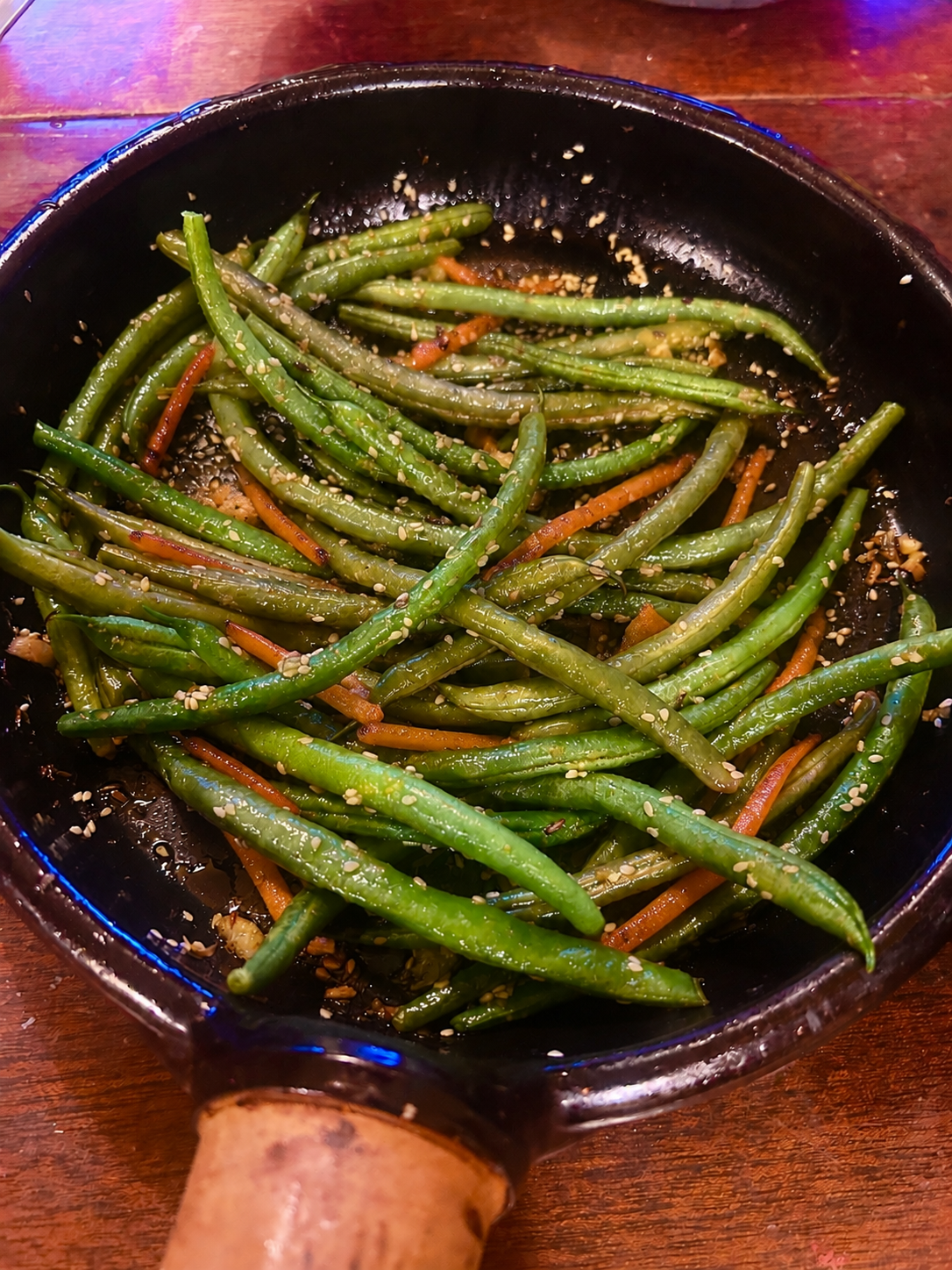
  • Served at room temp as a dip with steamed green beans, crisp cucumber wedges, and a slice of toasted, crusty sourdough bread.

  • Or as part of a Mediterranean plate with creamy tahini sauce and a roasted beet salad.

INGREDIENTS:

  • 2 Asian eggplants (or 1 globe eggplant, cubed, salted, and let drain for 20 minutes) cut into small half-moons

  • 1 red onion, diced (optional)

  • 1–4 cloves garlic, minced (optional)

  • 3 ripe tomatoes, large dice

  • 1 roasted green pepper, peeled and roughly chopped (optional)

  • Handful of Shishito peppers cut into 3rds 

  • 1–2 tbsp ghee, avocado oil, or olive oil (for sautéing)

  • 1 - 2 tbsp Harissa paste (use a green bell pepper-based version for less heat)

  • 1 tsp ground coriander

  • 1 tsp ground cumin

  • 1 fresh rosemary sprig

  • 1 small piece of preserved lemon (or the juice and zest of a fresh lemon)

  • Salt and freshly ground black pepper, to taste

  • A big drizzle of high-quality olive oil

  • Flake salt

  • A large handful of fresh parsley and torn basil

INSTRUCTIONS:

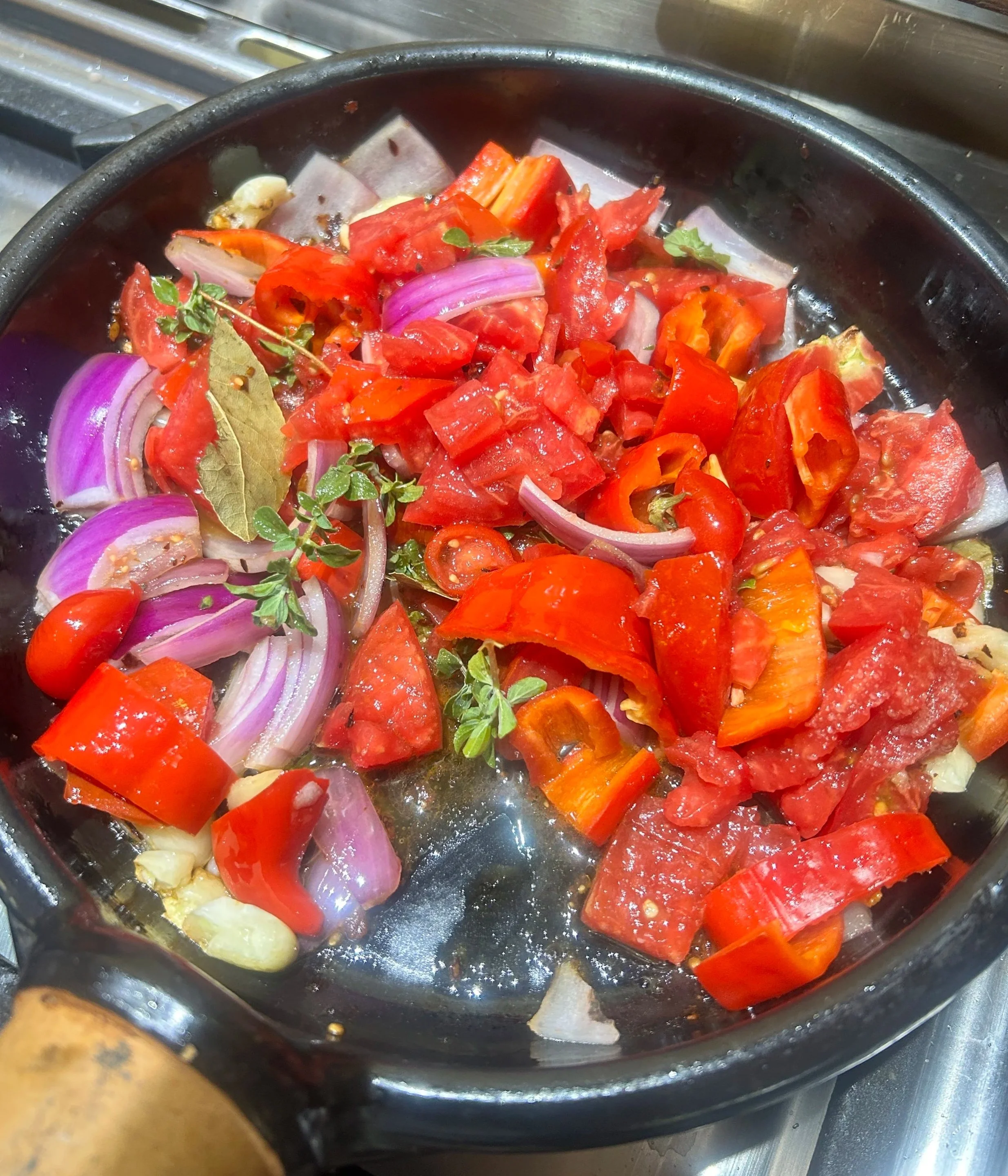
  1. Sauté the Eggplant: Heat your cooking oil or ghee in a large pan over medium heat. Add the eggplant half-moons (and the shishito peppers, if you want them blistered) and sauté until tender and lightly browned.

  2. If using onions and garlic, push the eggplant to the side and add them to the pan. Sauté until translucent. Stir in the cumin, coriander, and rosemary sprig, letting them toast in the oil for about 30 seconds until fragrant.

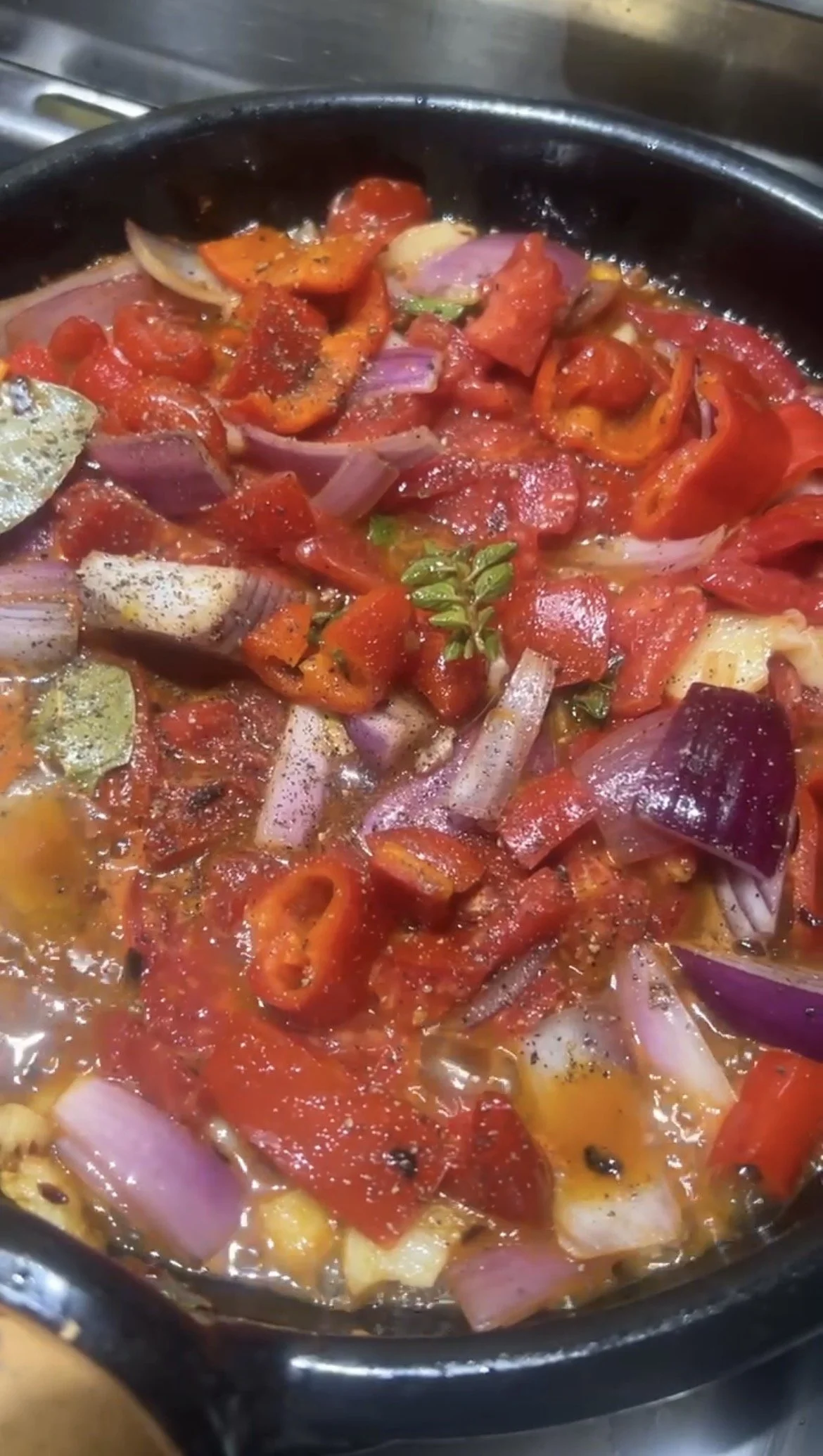
  3. Stir in the diced tomatoes, chopped roasted green pepper, harissa paste, and preserved lemon (or citrus juice/zest). Bring to a gentle simmer and let the flavors meld. Cook to your liking. 

  4. Remove from heat and discard the rosemary sprig. Transfer to a serving dish, then garnish generously with a heavy drizzle of olive oil, flake salt, fresh parsley, and plenty of torn basil.

Enjoy!

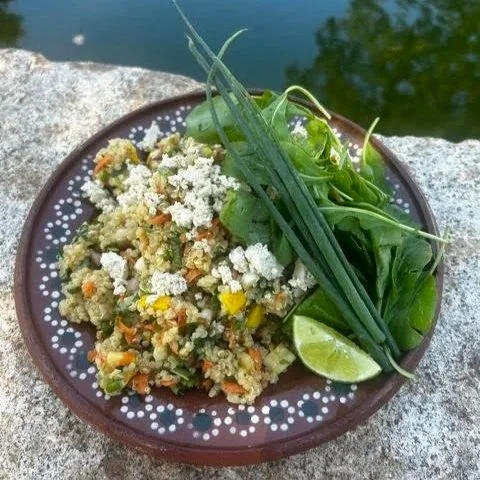
SUMMER: Summer Quinoa Salad

Developed for MBF CSA Members by chef and Clinical Ayurvedic Specialist Alexeis Filipello

— part of the culinary offerings of the California College of Ayurveda

Originally posted on 6/30/2026

Your Summer Guide to Ayurvedic Food Combining

At Rasa Kitchen, we focus on Agni (your digestive fire). By pairing foods mindfully, you optimize nutrient absorption and prevent stomach upset. But true wellness isn't rigid, our recipes are designed to be made with your heart. Love garlic? Throw it in. Hate zucchini? Swap it out.

The Golden Rules

  • Eat Raw by Day: Consume fruit and raw veggies at midday when your digestion is strongest. Avoid lemon here, as sour and sweet can clash. Use lime instead for a smoother, sweeter finish. 

  • Watch the Pairings: Keep dairy away from meat, fish, and some beans. Eat fruit alone, or cooked into morning grains. Opt for tofu with beans if your digestion feels weakened in any way.

  • Skip the Chill: Avoid eating straight from the fridge. Let food come to room temperature. 

Note: Rules are meant to be bent! If your digestion feels strong, prioritize enjoying your meal, a happy mind is key to good health. Listen to your body, trust your intuition, and let your appetite lead the way.

INGREDIENTS:

  • 2 cups Cooked white quinoa 

  • 1 cup cooked Garbanzo beans, drained and rinsed (or any lentil or bean you like)

  • 2 Zucchini, quarter-sliced (lightly flash-cooked, do not overcook)

  • 1 red onion, medium dice (optionally cooked) 

  • Shredded carrots 

  • Scallions & fresh parsley, chopped

  • Fresh basil, chiffonade (lots)

  • 1/2 cup Crumbled marinated tofu or sheep feta

  • 1/4 cup Lime-Dijon vinaigrette (lime, olive oil, pinch of cumin, Dijon, touch of maple syrup (optional), salt and pepper

INSTRUCTIONS:

Prep: Ensure the quinoa, onions, and flash-cooked zucchini are at room temperature.

Toss: In a large bowl, combine the quinoa, garbanzo beans, zucchini, onions, and carrots.

Finish: Mix in the vinaigrette, (add to taste) fold in the fresh herbs and scallions, and top with the crumbled tofu or feta. You can forgo the tofu or feta and add fresh toasted nuts or seeds, or do both. Let marry for an hour before serving to bring out all the yummy flavors of this dish.

Enjoy!

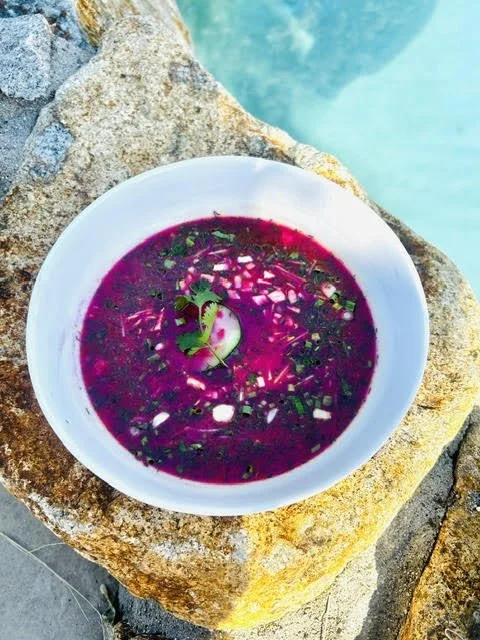
SUMMER: Summer Borscht-pacho

Developed for MBF CSA Members by chef and Clinical Ayurvedic Specialist Alexeis Filipello

— part of the culinary offerings of the California College of Ayurveda

Originally posted on 6/16/2026

Early summer is a fantastic time for fresh produce, and Mountain Bounty is growing some truly stellar vegetables right now. At Rasa Kitchen, we focus deeply on the strength of digestion, or “Agni”, which is considered the root of overall health. This internal fire produces the energy our bodies need to function; when it doesn't burn cleanly, it's time to tweak our diet and support our digestive system. In the summer heat, our bodies naturally crave lighter foods. To stay balanced as the temperature rises, we want to focus on cooling the system with supportive herbs, sweet roots, and refreshing summer vegetables. 

INGREDIENTS:

  • 1-2 TBSP avocado oil 

  • 1 onion diced

  • 2-3 Beets peeled and cubed 

  • 1-2 tbsp “No chicken” (better than bouillon is my go to)

  • Water to cover 

  • 1 TSP Cumin powder

  • 1 TSP Coriander

  • ½ head Napa Cabbage (or cabbage of choice) sliced thin and bites sized

  • 3 carrots peeled and cubed

  • 1-2 Zucchini shredded

  • Black pepper

GARNISH:

  • Diced Cucumbers (optional) 

  • Diced radish (optional) 

  • Fresh dill 

  • Fresh Parsley finely chopped

  • Scallions 

  • Drizzle of good olive oil

  • Dollop of fermented yoghurt or kefir of choice

INSTRUCTIONS:

In a pot, sauté onions, add beets, bouillon, cumin, coriander, and water and cook until fork tender. Add carrots, cabbage and cook until softened. When the borscht has cooled slightly add zucchini and black pepper and salt to taste. Serve warm or cold, garnish with cucumber, radish, fresh dill, parsley, scallions and a good drizzle of olive oil. A few cracks of black pepper as well as a dollop of yoghurt or kefir. 

This recipe is also awesome blended with the yogurt and garnished with all the above garnishes.

Enjoy!

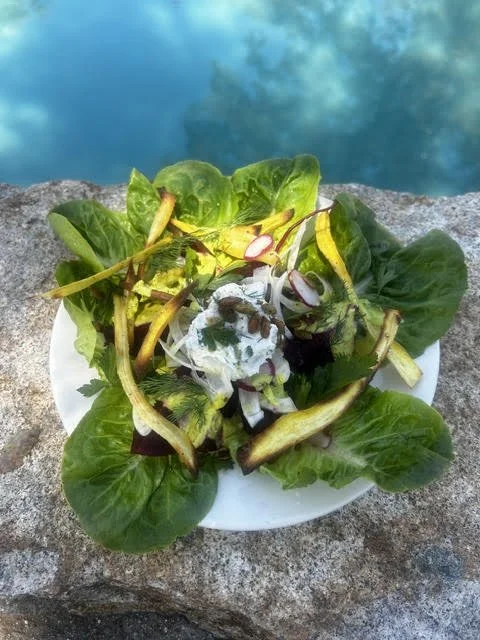
SPRING: Herb poached Beets w/ Shaved Fennel, Roasted Parsnips & Dill Ricotta

Developed for MBF CSA Members by chef and Clinical Ayurvedic Specialist Alexeis Filipello

— part of the culinary offerings of the California College of Ayurveda

Originally posted on 6/2/2026

Let’s Talk Prana!! Prana is the life force that animates all living things. It is present in the breath we take, the natural world around us, and the foods we eat. In Ayurveda, fresh fruits and vegetables are considered rich in prana, carrying vibrant life energy.

Ayurveda also teaches food sadhana, the mindful preparation of food to support nourishment and digestion. Along with thoughtful food combining, simple techniques such as gentle cooking, fermentation, and quick pickling can help make foods easier to digest and assimilate. Understanding these principles may help you feel more nourished, satisfied, and connected to your meals.

INGREDIENTS+ STEPs:

POACHED BEETS:

  • 3-4 whole beets greens trimmed

Cover beets with water, fresh rosemary sprigs, thyme, whole pepper corns, salt, a couple splashes of good olive oil and apple cider vinegar. Should be mildly acidic. Add any herbs you would like here. There are no rules. Cover and bake until tender. Peel while warm with a towel

SHAVED FENNEL AND RADISH:

Shave fennel and radish very thin on a mandolin. Add salt, acid of choice, and olive oil. Let marinade for a bit on the counter until ready to serve.

HERBED RICOTTA:

If you haven’t made ricotta, it is so simple. Otherwise buy a good brand of ricotta mix in fresh herbs, fermented garlic, salt and olive oil.

ROASTED PARSNIPS:

Peel and cut parsnips into large batons drizzle with ghee or avocado oil salt and pepper and roast until golden brown. Chili cumin toasted pumpkin seeds. In a pan add ghee or avocado oil and pumpkin seeds. Toast until brown. Add pinch of cayenne (or paprika) and cumin, salt and a squeeze of lime juice. Let dry then take off flame.

GODDESS DRESSING:

Blend all of the below ingredients by hand or emulsify in a blender, add more or less water depending on your desired thickness.

  • ½ cup tahini

  • ¼ cup warm water (more as needed)

  • 2 tbsp fresh lemon juice

  • 1 tbsp olive oil

  • 1 tsp grated fresh ginger

  • ½ tsp ground cumin

  • ¼ tsp turmeric

  • 2 tbsp chopped fresh parsley

  • 2 tbsp chopped cilantro

  • 1 tbsp chopped mint 

  • 2 tbsp dill 

  • ½ tsp mineral salt

  • Pinch black pepper

ASSEMBLY:

Cut peeled beets into large wedges, top with ricotta, parsnips, fennel and radish, goddess dressing, top with pumpkin seeds and fresh dill.

Enjoy!

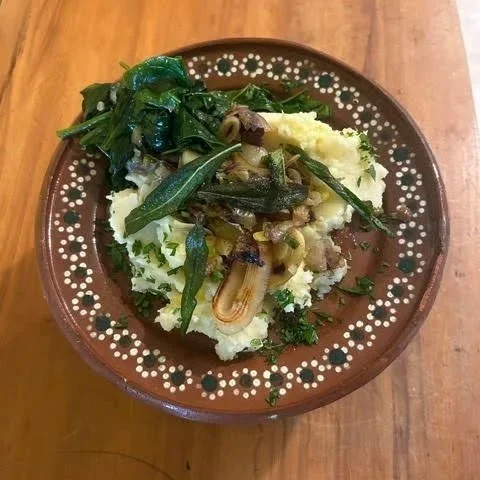
SPRING: Poached Potatoes with Fennel Bulb, Caramelized Spring Alliums and Browned Butter Sage

Developed for MBF CSA Members by chef and Clinical Ayurvedic Specialist Alexeis Filipello

— part of the culinary offerings of the California College of Ayurveda

Originally posted on 4/22/2026

We do love Siffra potatoes and Fennel bulbs. This light and airy combo makes the perfect fluffy mash. With the addition of sage and ground fennel seeds and bulbs, you increase digestibility and clearing as fennel is a natural digestive. Just a pinch or two helps with digestive weakness and stagnation. Sage increases the light quality of this dish as it is a natural expectorant and alterative which helps clear some of that winter funk. A great addition to your spring veggies and sides. Serves well with roasted meats or veggies and a great big side of garlicky sauteed spinach

INGREDIENTS:

  • 6-8 Peeled Siffra potatoes

  • 1 Fennel bulb cut into small pieces heart removed

  • 1-2 Leeks sliced thin white parts only, rinsed and cleaned (save the greens for stock or gravy)

  • 3 Spring onion cut thin all parts red and green

  • 3 Tbs plus 2 tbs Ghee or more if you like it extra creamy.

  • 1 cup Warm Milk of choice (almond or full dairy)

  • ½ cup Broth of choice (veggie chicken broth is my go to)

  • Sea Salt and Pepper to taste

  • ½ tsp Ground Fennel

  • 5-8 Sage leaves 

  • Chopped parsley for garnish


INSTRUCTIONS:

  1. Simmer potatoes and fennel bulb with water and sea salt until fork tender. Cut any larger potatoes to uniformed sizes.

  2. Sauté leeks, spring onions, in 3 TBS ghee or butter, or oil of choice

  3. Cook very slow until lightly browned and creamy add ground fennel and salt and pepper to taste

  4. Once potatoes and fennel bulb are fork tender, strain water and add back to the pot and mash or blend until smooth with 1-2 tbs ghee or butter of choice.

  5. Add warmed milk and mix until incorporated add warm broth until desired consistency. Add more or less depending on your personal tastes.

  6. Cover and keep warm until ready to serve you can dot with more ghee if you like

  7. Sauté ghee in a pan and fry sage until crisp, butter will be brown and delicious. Do not burn the sage leaves.

  8. Serve the mash with a drizzle of browned sage butter, caramelized leeks and onions and salt and pepper and a big handful of fresh chopped parsley. And a side of something you love.


Enjoy!

SPRING: Ayurvedic Saag-style Quiche (crust optional)

Developed for MBF CSA Members by chef and Clinical Ayurvedic Specialist Alexeis Filipello

— part of the culinary offerings of the California College of Ayurveda

Originally posted on 5/19/2026

When we think about digestion we want to eat foods in season, that taste amazing, and include all of the 6 tastes. (Salty, sour, sweet, bitter, astringent, pungent) A balanced meal gently activates the full digestive process and increases satisfaction.When we think about digestion we want to eat foods in season, that taste amazing, and include all of the 6 tastes. (Salty, sour, sweet, bitter, astringent, pungent) A balanced meal gently activates the full digestive process and increases satisfaction.

INGREDIENTS:

  • 3 cups spinach

  • 1 cups chopped baby kale

  • 1 cup chard 

  • 1 small handful cilantro (add more parsley if you don’t enjoy cilantro) 

  • 1 small handful Parsley 

  • 1 tbsp ghee

  • 1 small yellow onion, finely diced

  • 1–2 cloves garlic, minced

  • 1 tsp fresh grated ginger

  • Optional add parsnips, turnips or sweet potatoes. 

SPICES:

  • 1 tsp coriander powder 

  • ½ tsp fennel powder 

  • ½ tsp turmeric

  • Pinch hing (asafoetida) if you have any. 

  • Small pinch nutmeg

  • Black pepper to finish

CUSTARD:

  • 6 eggs

  • ¾ cup whole milk OR oat milk 

  • ½ cup paneer cubes or mild sheep feta 

  • Pink salt to taste

INSTRUCTIONS:

Cook the saag base

  1. Heat ghee in a skillet.

  2. Add coriander and fennel — cook until fragrant.

  3. Add onion and cook until soft and golden. Then add:

    • ginger

    • garlic

    • turmeric

    • hing

  4. Add kale and chard first and cook until softened. Add spinach last and cook just until wilted.

    Fold in cilantro and let the mixture cool slightly. Drain any excess liquids

Make the custard:

  1. Whisk together:

    • eggs

    • milk

    • salt

    • nutmeg

    • black pepper

  2. Fold in paneer or goat feta

Bake:

  1. Grease a pie dish or ceramic baking dish with ghee. Sprinkle if going crustless, or add to blind baked crust of choice. 

  2. Add greens mixture evenly. Pour custard over top.

  3. Bake at 375°F for

    • about 30–40 minutes (without crust) 

    • 40-50 minutes with crust

The beauty of this recipe is you can add any cheese or your favorite crust, or go crustless. 

Enjoy!

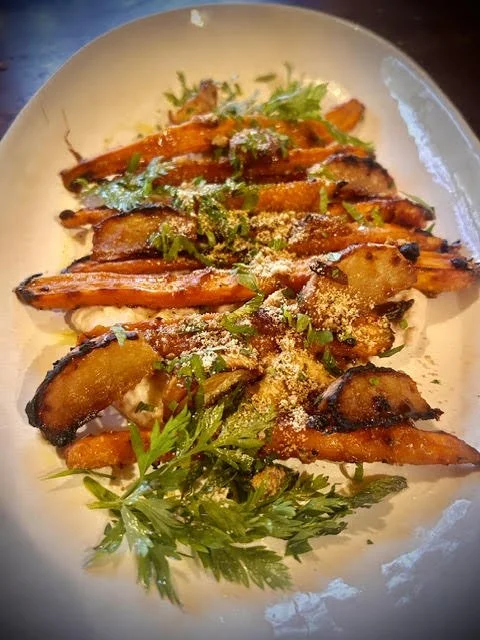
SPRING: Miso-Maple Roasted Hakurei Turnips and Carrots over White Bean Puree with Dukkah Spice

Developed for MBF CSA Members by chef and Clinical Ayurvedic Specialist Alexeis Filipello

— part of the culinary offerings of the California College of Ayurveda

Originally posted on 5/6/2026

As winter lingers in the body, springtime calls for gentle stimulation. Nothing too strong, just enough to wake things up. The natural sweetness of carrots and maple nourishes, while the light bitterness and grounding quality of turnips help clear sluggishness. Fermented white Miso offers support for digestion through its savory complexity. We served these Miso roasted veggies with a huge bowl of salad greens topped w/ chilled steamed asparagus, boiled potatoes, and capers. Tossed with a lemon balm yoghurt green goddess dressing.

INGREDIENTS:

  • 2 lbs carrots washed and sliced in half (peel or don’t)

  • 4 Small Hakurei turnips washed cut in half (greens can be roasted too) 

  • 1 TBSP ghee, butter or olive oil

  • 2 pieces chopped garlic or garlic scapes

  • 2 TBSP white miso

  • 1 TBSP tamari sauce

  • 1 Tbsp great Dijon mustard (I used Edmond Fallot Green peppercorn)

  • 2-3 TBSP maple syrup

  • 1 spoonful veggie “chicken broth”

  • 1 TBSP white wine vinegar

  • Good pinch Aleppo flakes (or any coarse chili flake)

  • 3 sprigs dried thyme

  • (1/4 cup broth for steaming) 

  • Parsley chopped

  • Scallions green parts chopped fine

BEAN PURÉE:

  • 1 -16 oz can cannellini beans

  • 1 TBSP olive oil or ghee

  • 1 garlic cut in half

  • 3 TBSP veggie stock

  • 2 TBSP tahini

  • ¼ lemons juice

  • Pinch of dried rosemary or thyme or both

  • Salt and pepper

INSTRUCTIONS:

  1. In a small pot, cook garlic and ghee or oil of choice until soft. Whisk in white miso, maple syrup, Dijon, vinegar, veggie bouillon, and mix until smooth

  2. In a pan, arrange the carrots in a single layer and cover with half of the sauce and a few splashes of broth to keep the greens moist.

  3. Roast at 400 degrees for 15-20 minutes, flip then add rest of sauce. Add more maple syrup and a dash of broth to the top roast another 15-20 mins. (you can also brown the last few minutes under broiler). Take out of oven and let rest to room temperature. 

  4. For the puree, sauté 1 clove of garlic, thyme and/or rosemary Add a can of rinsed cannellini beans, tahini, and olive oil and broth to loosen the mixture. Puree in a food processor or mill with a squeeze of lemon salt and pepper

  5. Spread the bean mixture on a platter and top with roasted veggies. Sprinkle with fresh parsley, scallion greens, a squeeze of fresh lemon and olive oil and top with some of the Dukkah spice (see below).

  6. Dukkah is mixture of any nut you have on hand with dried powdered herbs. Pulse or chops nuts fine, toast in a dry skillet 4-5 minutes. Add spices and continue to toast until fragrant let cool. Serve on top of anything from dips to hummus to salads and purees

Dukkah spice

  • 1 cup total nuts I used pumpkin. pine nuts and some hazelnuts.

  • 2 TBSP sesame seeds

  • 2 TSP coriander

  • 1 TSP cumin

  • 1 TSP fennel

  • ½ TSP black pepper

  • ½ TSP salt

Enjoy!

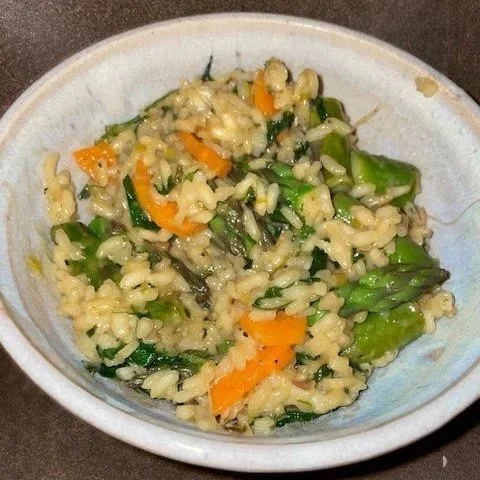
SPRING: Asparagus Risotto - Ayurveda-style

Developed for MBF CSA Members by chef and Clinical Ayurvedic Specialist Alexeis Filipello

— part of the culinary offerings of the California College of Ayurveda

Originally posted on 4/1/26

Spring is the time to clean house, both metaphorically and physically. This risotto uses seasonal ingredients to clear the body while staying light and crisp. Asparagus and parsley act as natural diuretics to give the system a gentle spring clearing, while the recipe itself helps you clear out the fridge.

Ingredients:

  • 1 bunch asparagus

  • Handful Spring snap peas (optional) cut into Smaller pieces 

  • 1 carrot cut into thin half rounds

  • 1 cup spinach (optional) rough chopped 

  • 1 cup Arborio rice

  • 1 -2 green garlic (finely chopped)

  • 4 cups veggie broth of choice. (I use better than bullion no chicken veggie) 

  • 2 Tbsp avocado or olive oil

  • 2 Tbsp lemon juice 

  • Big pinch of saffron 

  • 1/4 tsp of ground coriander

  • Black pepper

  • Himalayan salt

  • Pinch of Hing (asafetida) 

  • 1/2 cup chopped parsley 

INSTRUCTIONS:

  1. Steep a generous pinch of saffron in a few tablespoons of warm water. 

  2. Meanwhile, trim a bunch of asparagus, cutting the stalks into 1-inch pieces and keeping the tips separate. Chop other ingredients and set aside. 

  3. In a small pot warm 4 cups of vegetable broth and keep warm. 

  4. In a pan, sauté finely chopped  green garlic in ghee or olive oil until soft, 

  5. Next add 1 cup Arborio rice and toast briefly. Pour in a splash of lemon juice  Begin adding the warm broth one ladle at a time, stirring frequently and allowing each addition to absorb before adding more. 

  6. About halfway through, stir in the saffron and its soaking liquid, the ground coriander and add the asparagus stems.

  7. Continue cooking until the rice is creamy and just tender, about 18–20 minutes total. Add the asparagus tips, spinach, chopped parsley and snap peas the last few minutes so they stay slightly crisp. Turn off the heat and stir in a touch of black pepper,  salt, hing and a little lemon zest to lift the flavors.

  8. Let the risotto rest briefly before serving, then finish with fresh cracked pepper, parsley and a drizzle of olive oil or ghee.

Enjoy!

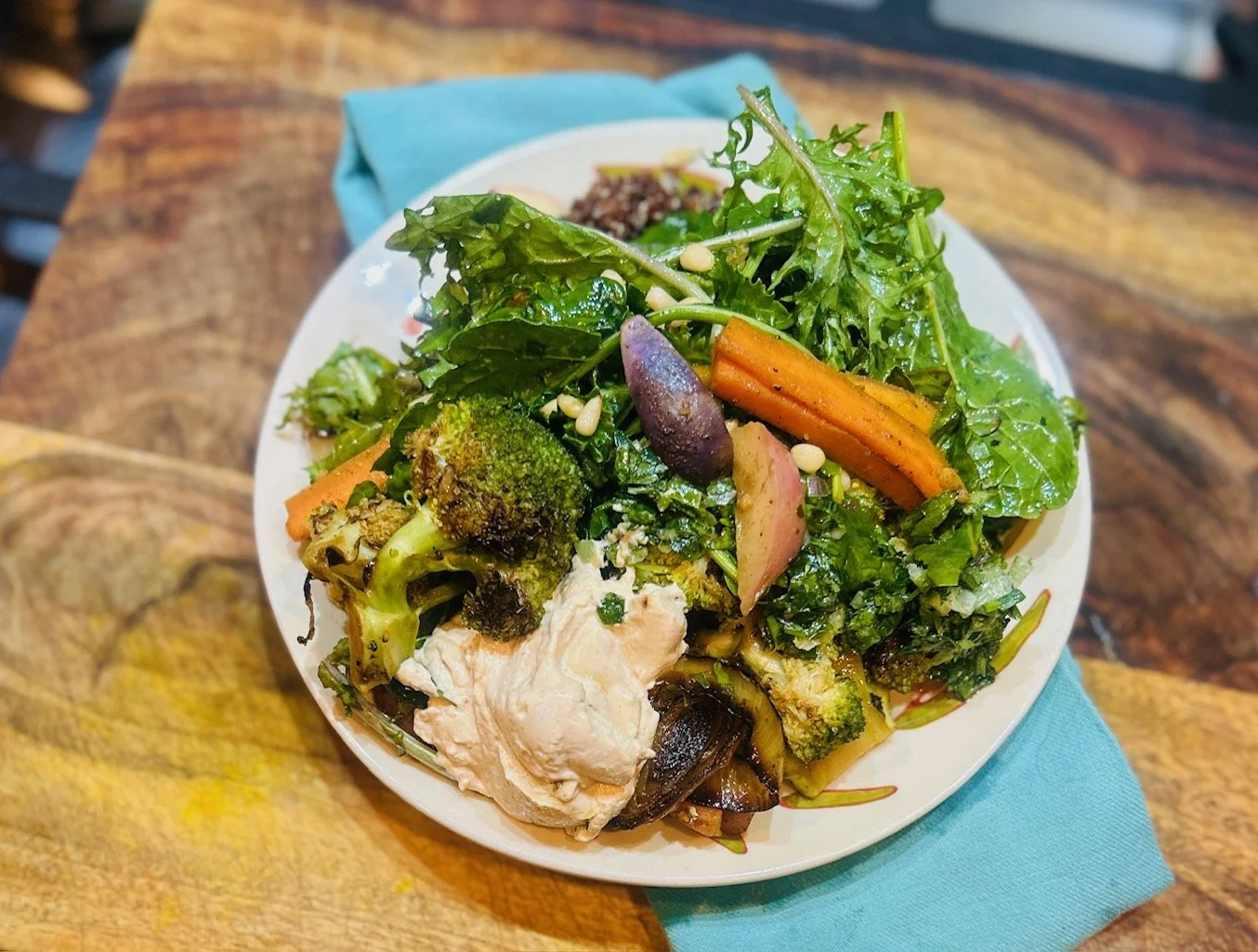
SPRING: Pan Charred Broccoli & Root Vegetables with Spring Onion Gremolata

Developed for MBF CSA Members by chef and Clinical Ayurvedic Specialist Alexeis Filipello

— part of the culinary offerings of the California College of Ayurveda

Originally posted on 3/11/2026

In this recipe we will focus on a combination of tastes to bring warmth and pungency to a rather cold time of year. As we move away from the cold we rekindle our digestion and move to a lighter way of eating. Welcoming the ingredients of early spring we see bitter greens and spicy brassicas. 

Ingredients: 

Gremolata: 

  • 3 spring onions (minced) 

  • 1⁄2 cup herbs (parsley/cilantro/mint or whatever you have on hand) 

  • 1/2 lemon (juiced) plus its zest 

  • 2 tbsp olive oil 

  • (Optional) pinch of chili flakes to add heat 

Roots: 

  • 1-2 chopped garlic (optional) 1 small knob of minced ginger 2 cups par-boiled potatoes (cubed) 

  • 2 carrots (sliced long in batons) 

  • 6 radishes (halved) 

Greens: 

  • 1 head broccoli (florets), 

  • 1 leek* (sliced/cleaned white parts only) 

  • 1 bunch kale (torn without stems) 

  • 1 cup Arugula 

  • 3 Spring onions 

Pantry: 

  • 2 tbsp ghee or avocado oil or oil of choice 

  • 1/2 tsp cumin seeds 

  • 1⁄2 tsp powdered ginger 

  • salt & pepper 

Garnish: 

  • toasted pine nuts 

  • Good olive oil 

  • flaky salt. 

INSTRUCTIONS: 

  1. Gremolata: Mix minced onions, olive oil, herbs, and salt. Let sit for 5 mins to soften the flavor of sharp onion, then stir in lemon juice. Adjust oil and lemon if needed. Should be a little wet but not a sauce. 

  2. Sauté herbs: Heat 1 tbsp ghee or avocado oil in a skillet over medium heat. Toast cumin and ginger (30 sec) set aside do not let the cumin burn. 

  3. Sauté Roots: In the same skillet, add potatoes, cook a few minutes until they begin to color, next add carrots, the ginger and garlic and last radishes. Add the cumin and ginger mixture back to the pan and a few crunches of fresh ground black pepper, and finish the cooking until your desired doneness. (A touch of water or stock can be added to keep the veggies moving around the pan easily) Set aside. 

  4. Char the Greens: Add 1 tbsp oil or ghee to the hot pan. Add broccoli and leeks. Do not stir for 3 mins to get a deep char. Cook on high. Add a crunch of pepper, and a splash of water or stock, and stir in kale to wilt.cover. Turn off heat. 

  5. Plate: Layer greens over the roots. Top with arugula, the gremolata, and pine nuts and a little flaky salt, optional drizzle of olive oil. enjoy!! 

Quick Tip: 

-Soak sliced leeks in a bowl of water to remove grit, then pat dry. Searing them (instead of steaming) brings out their natural sweetness. Save the greens as they make great soups, stock, and gravy. 

-The residual heat will wilt the greens perfectly, preserving their enzymes and vital nutrients.

Enjoy!